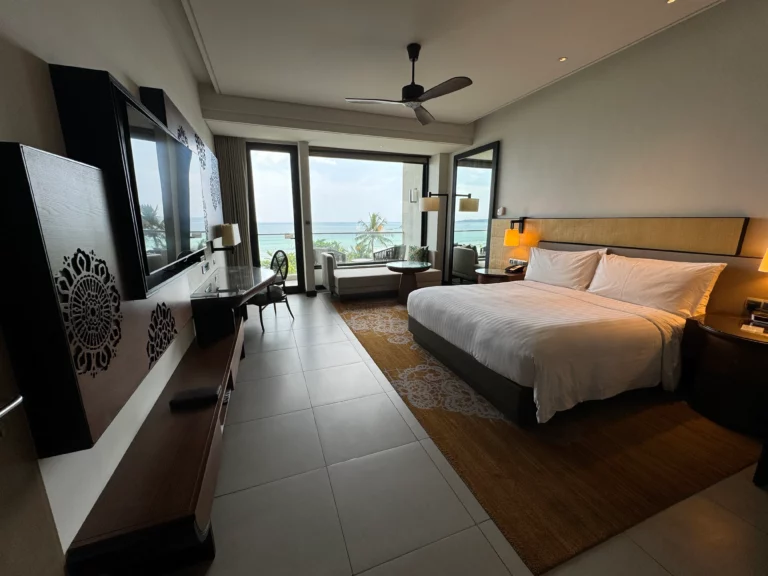
Marriott Reward Categories Complete Guide to Maximizing Hotel Points
Marriott Bonvoy’s reward program is one of the most popular loyalty programs in the hospitality industry. Central to the program are Marriott reward categories, which classify hotels into different tiers based on their nightly point requirements. Understanding these categories is essential for maximizing points, planning trips, and getting the best value from your stays.
Understanding Marriott Reward Categories
Marriott reward categories range from Category 1 to Category 8, with each tier representing the number of points required for a free night. Lower categories require fewer points, making them ideal for budget-conscious travelers, while higher categories are reserved for luxury hotels with premium amenities.
Knowing how these categories work helps travelers strategize. For instance, booking lower-category hotels during peak travel seasons can save points, while splurging on higher-category hotels can provide luxurious experiences with maximum rewards value.
How Reward Categories Are Determined
Location and Demand
Hotels in popular destinations or major cities usually fall into higher categories due to demand and the cost of operations. Resorts, city-center hotels, and exclusive properties often require more points per night.
Amenities and Hotel Type
Luxury hotels, resort properties, and specialized brands like Ritz Ritz-Carlton or St. Regis tend to be higher-category hotels. Conversely, Courtyard, Fairfield Inn, and TownePlace Suites are often in lower categories.
Seasonal Adjustments
Marriott sometimes adjusts categories based on seasonal demand. This dynamic approach allows point requirements to reflect current booking trends and maintain reward value.
Real-World Examples of Marriott Reward Categories
Example 1: Courtyard by Marriott, New York

This property is typically in a Category 5 tier. A standard room may require around 35,000 to 40,000 points per night. As a business traveler or leisure guest, understanding this point requirement helps in planning trips and maximizing rewards.
Example 2: Ritz-Carlton Bali

Ritz Ritz-Carlton Bali falls under Category 8, representing the highest reward tier. Stays here provide luxury experiences, with points per night often exceeding 100,000. Guests can maximize their elite benefits and points redemption strategies at such premium properties.
Example 3: Fairfield Inn & Suites, Chicago
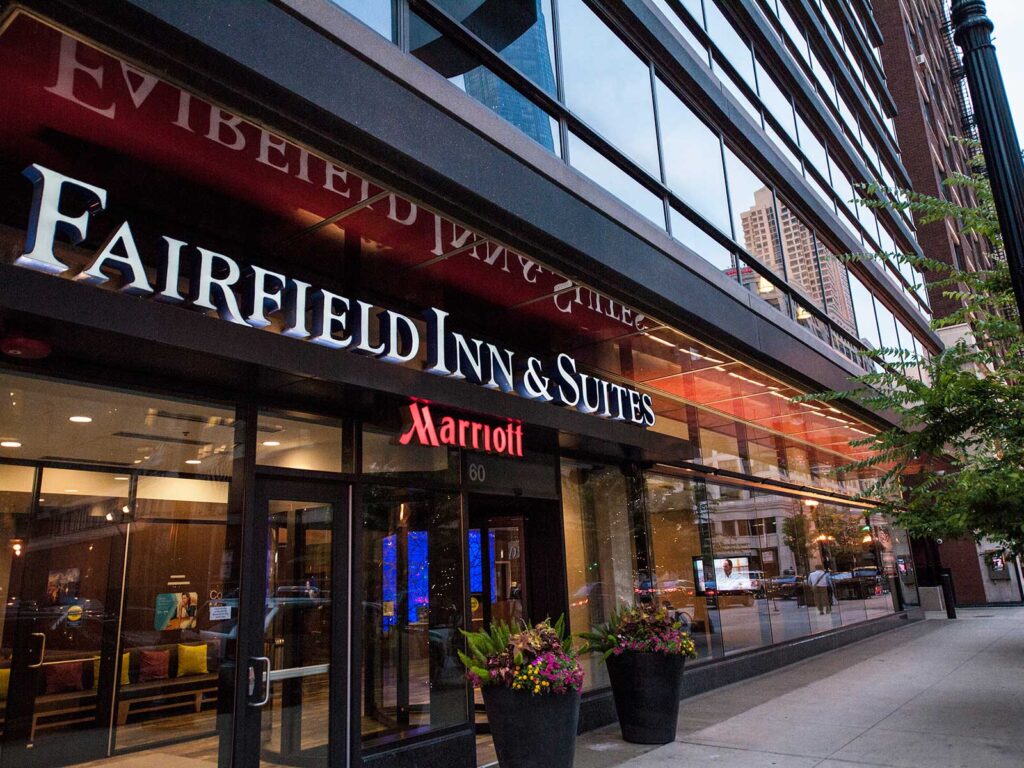
A lower-tier property, Fairfield Inn & Suites is often a Category 3 hotel. With point requirements around 15,000 to 20,000 per night, it’s ideal for travelers who want value without sacrificing Marriott’s standards.
Example 4: JW Marriott, Los Angeles

As a Category 7 hotel, JW Marriott Los Angeles offers premium city-center accommodations. With points requirements ranging between 70,000 and 85,000, guests can enjoy a mix of luxury, convenience, and Bonvoy rewards.
Example 5: Residence Inn, Orlando

Residence Inn Orlando is typically Category 4. Extended-stay travelers benefit from spacious accommodations while earning and redeeming points effectively, making it an ideal balance of comfort and rewards.
Benefits of Understanding Marriott Reward Categories
Optimized Points Usage
Knowing the point requirements allows travelers to plan stays strategically, using fewer points at lower-tier hotels and saving higher points for premium experiences.
Flexibility in Travel Planning
Reward categories make it easier to forecast points needed for a trip, allocate resources wisely, and plan stays across different brands and locations.
Maximizing Elite Status Perks
Understanding categories helps elite members leverage benefits such as room upgrades, late check-out, and bonus points, enhancing the value of both points and experiences.
Practical Use Cases for Marriott Reward Categories
Budget-Friendly Travel
Category 1-3 hotels are perfect for travelers seeking affordable stays without compromising quality. Points can be accumulated for future luxury trips.
Luxury Vacations
Higher-category hotelslike the Ritz Carlton or St. Regis, provide premium experiences. Strategic use of points and elite status can maximize value and comfort during vacations.
Business Trips
Corporate travelers can plan stays in mid- to high-tier hotels, optimizing points redemption while accessing business-friendly amenities such as conference rooms, meeting spaces, and executive lounges.
Frequently Asked Questions
1. How are Marriott reward categories assigned?
Categories are based on location, hotel type, amenities, and seasonal demand, reflecting the number of points required for redemption.
2. Can reward categories change over time?
Yes. Marriott periodically adjusts categories based on market demand and hotel performance to maintain consistent reward value.
3. How can I maximize points across categories?
Strategically plan stays at lower-category hotels for value accumulation and reserve higher-category hotels for luxury experiences, leveraging elite benefits for maximum rewards.